

Understanding Tesla Batteries
Over the years, Tesla's high-voltage battery has gone through several revisions as part of the company's design process for its electric vehicles. Many different battery pack sizes, from 40 kWh up to 100 kWh, were available for the Model S and Model X in the beginning.
However, Tesla owners sometimes find it difficult to determine which battery pack their vehicle uses. Knowing the kind of battery in a Tesla will help you understand the range and charging concerns that may arise later, whether you have an early Model S or are planning to purchase a used Tesla in Canada.

Tesla Battery Chemistry
From the 2006 Roadster until the latest Model Y, all Tesla vehicles are powered by lithium-ion batteries. Battery packs for different Teslas vary not just in the quantity and size of their cells, but also in the chemistry that goes along with the lithium.
Cathode materials commonly include nickel cobalt aluminum (NCA) or, more recently, lithium iron phosphate (LiFePO4), both of which are known for their structural stability and high energy densities.
Graphite is often used for the anode, and a separator prevents the two electrodes from touching. During charging and discharging, lithium ions flow from the cathode to the anode, and the electrolyte is a lithium salt dissolved in a solvent. Using these components together, Tesla electric vehicles can effectively store and discharge electrical energy.
LFP vs NCA: Understanding Battery Types
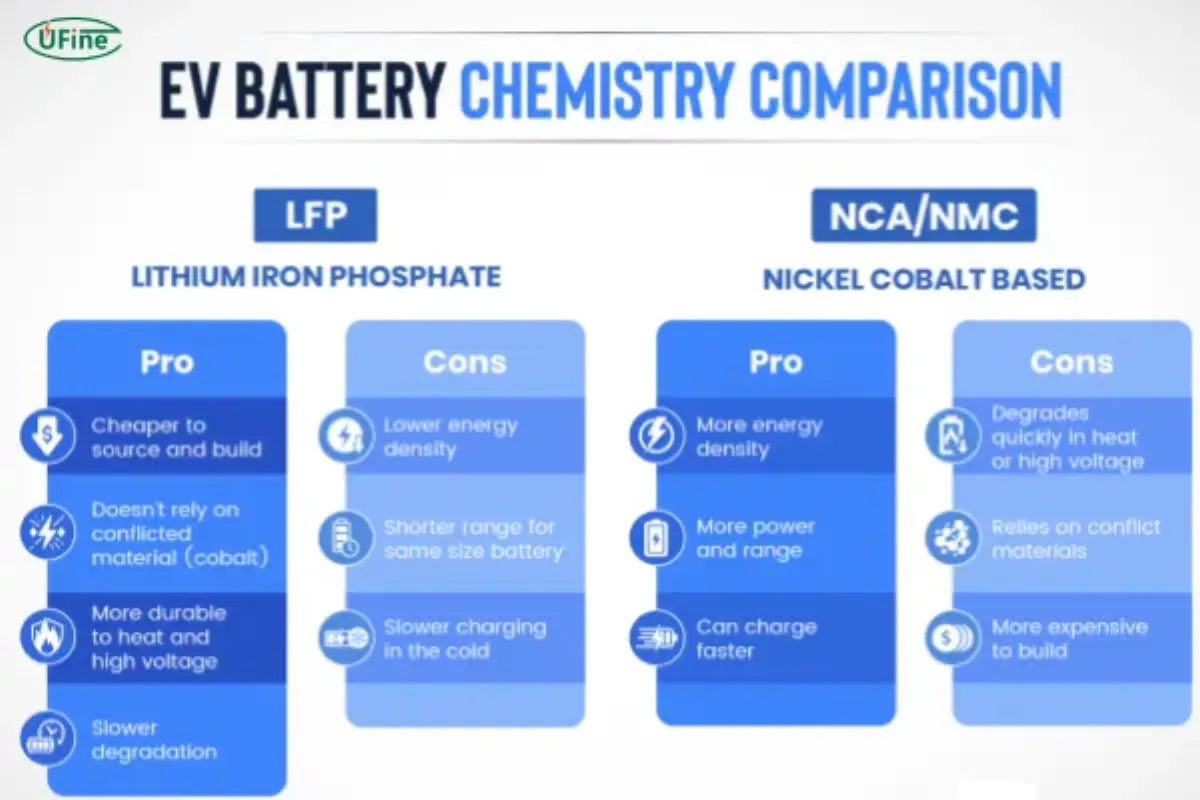
Tesla uses different battery chemistries depending on the model and production location:
NCA (Nickel Cobalt Aluminum)
- Higher energy density, meaning more range per kilogram
- Used in Long Range and Performance variants
- More sensitive to high charge states
- Best practice: charge to 80-90% for daily use
LFP (Lithium Iron Phosphate)
- More stable chemistry with longer cycle life
- Used in Standard Range variants and some newer models
- Can be charged to 100% regularly without degradation
- Better performance in extreme temperatures
- More affordable to produce
NCM/NMC (Nickel Cobalt Manganese)
- Used in some Giga Texas and international production vehicles
- Balanced performance characteristics
- Common in Model Y produced after 2022
For Canadian owners, LFP batteries can be advantageous in our cold winters due to their stability in temperature extremes. Learn more in our guide on Tesla battery care for Canadian owners.
How to Find Your Battery Type
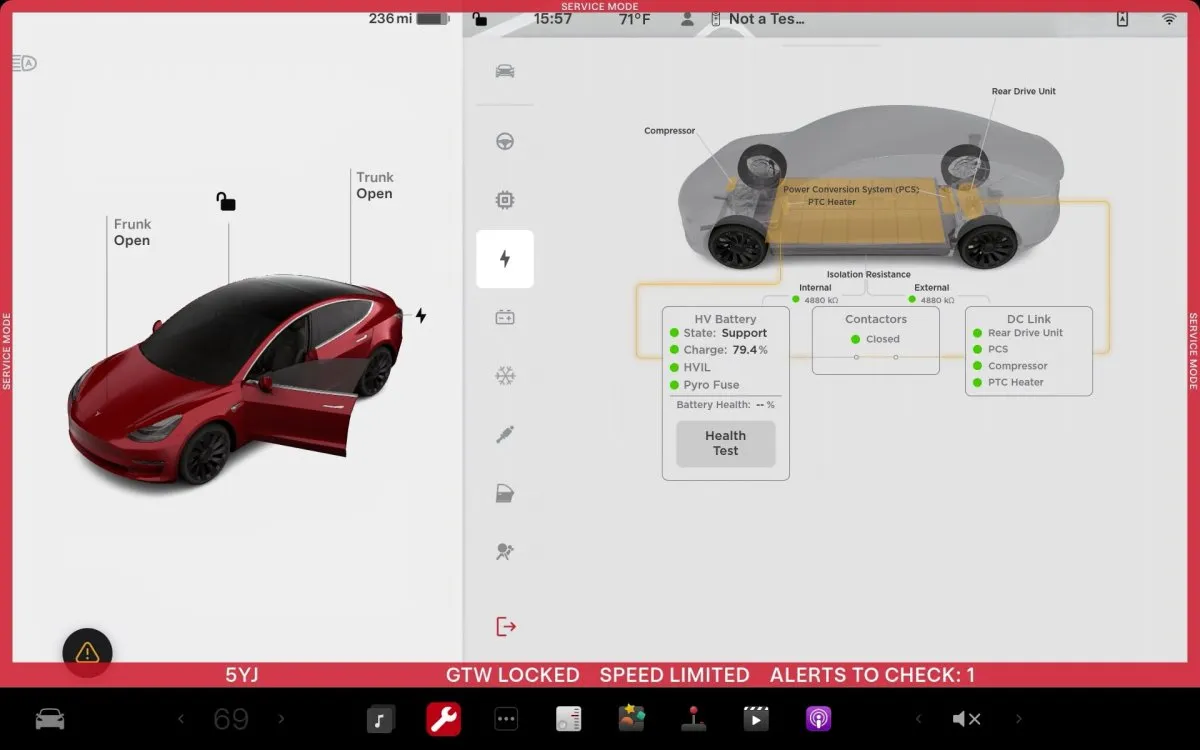
In your charging settings, you can find whether you have either an NCA battery or an LFP battery inside your Tesla:
For NCA batteries: If you have two sliders named "Daily" and "Trip" in the charging setting menu, you most likely have an NCA battery in your Tesla.
For LFP batteries: Go to your Additional Vehicle Information tab. If it shows "Lithium Iron Phosphate," your Tesla has an LFP battery.
For NCM batteries: The battery in an Austin, Texas-made Model Y (or a Tesla made in China or Germany) may be an NCM (or NMC). For Giga Texas Model Ys made after 2022, this is an important consideration when buying a used Tesla.
Tesla Battery Sizes
Although Tesla advertised the size of its batteries for the Model S and Model X (2012-2019 models), the exact kWh capacity of each Tesla pack remains somewhat opaque.
While you may get a rough sense of which pack your Tesla has by searching the claimed capacity in kWh for your model, year, and trim level, the actual pack on your Tesla may not line up with those figures exactly. In certain instances, the available capacity was software-limited.
The pack size is no longer included in the model and trim names of newer Teslas, so determining battery size requires other methods:
Physical inspection: Each Tesla battery pack should include a parts label that may be read to help estimate its size. Some models have stickers that prominently display the pack size.
- Model S: The battery pack size sticker should be on the inside of the wheel well behind the front passenger wheel
- Model X: The sticker is found at a similar location
- Model 3 and Model Y: Finding battery information is more difficult, often requiring a picture of the vehicle's undercarriage
Tesla Service Center: Technicians may access your vehicle's service history through Tesla's internal database or the vehicle's user interface. They can answer inquiries about your Tesla's battery pack configuration.
Caring for Your Tesla Battery
Average temperature and time spent in highly charged states are two major contributors to shortened battery calendar life. When fully charged and left in a heated environment, batteries degrade the quickest.
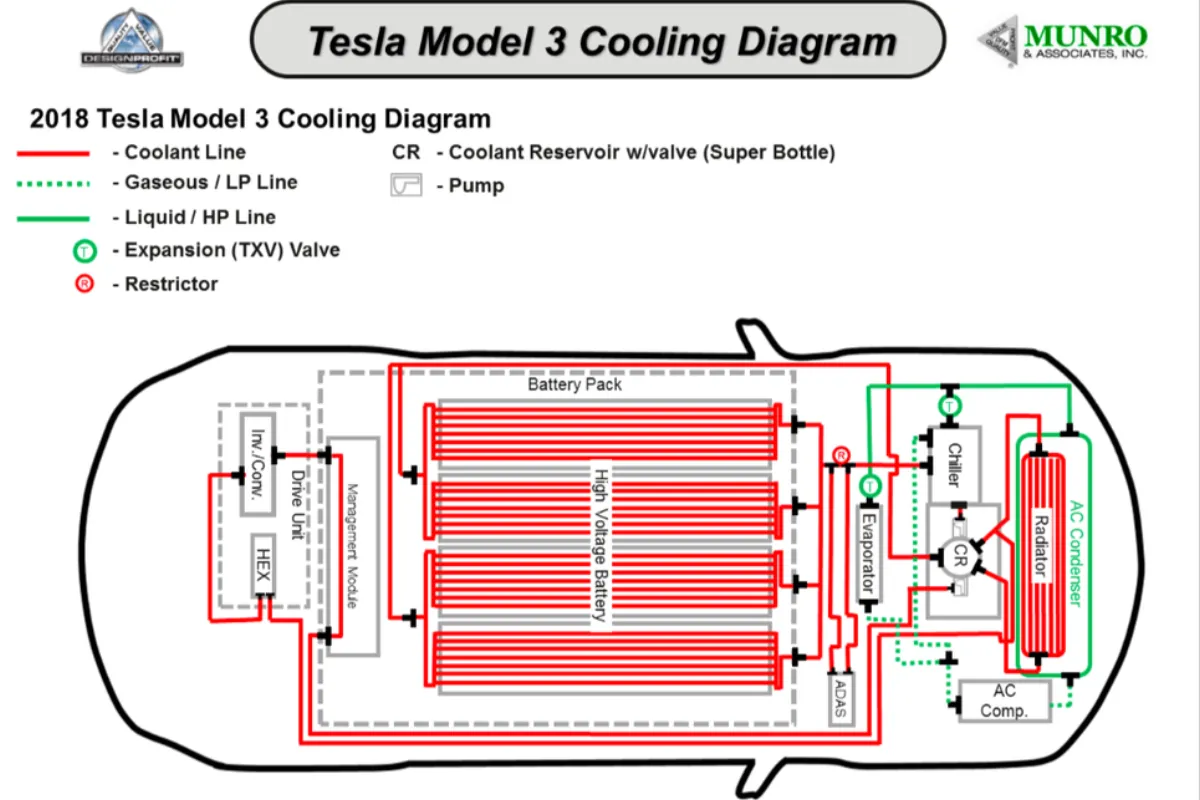
Tesla's Thermal Management System
One of Tesla's most innovative features is a liquid cooling system that keeps batteries at an optimal temperature even in the coldest or hottest environments. The cooling system kicks on to maintain a constant cell temperature below 35 degrees Celsius, with a long-term goal of 25 degrees Celsius.
This is particularly important for Canadian Tesla owners dealing with extreme temperature swings from -30°C winters to +35°C summers.
State of Charge Management
Another key factor influencing cycle aging is the charge status of the battery when stored. There is greater loss of cellular capacity at higher charge states. Tesla has capped cell voltage at 4.15V rather than 4.2V for this reason.
To further improve battery life, Tesla offers the choice of charging to just 50% or 90% if the entire vehicle range is not required on the following few journeys. Full charging should only be done when necessary for longer trips.
Best Tips for Maintaining Tesla Battery
Follow these guidelines to maximize your Tesla battery lifespan:
-
Avoid extremes of charge: Both higher voltages (over 4.15V/cell, or approximately 95% state of charge) and lower voltages (below 3.00V/cell, or about 2% SOC) place more physical and electrical strain on the cell's interior.
-
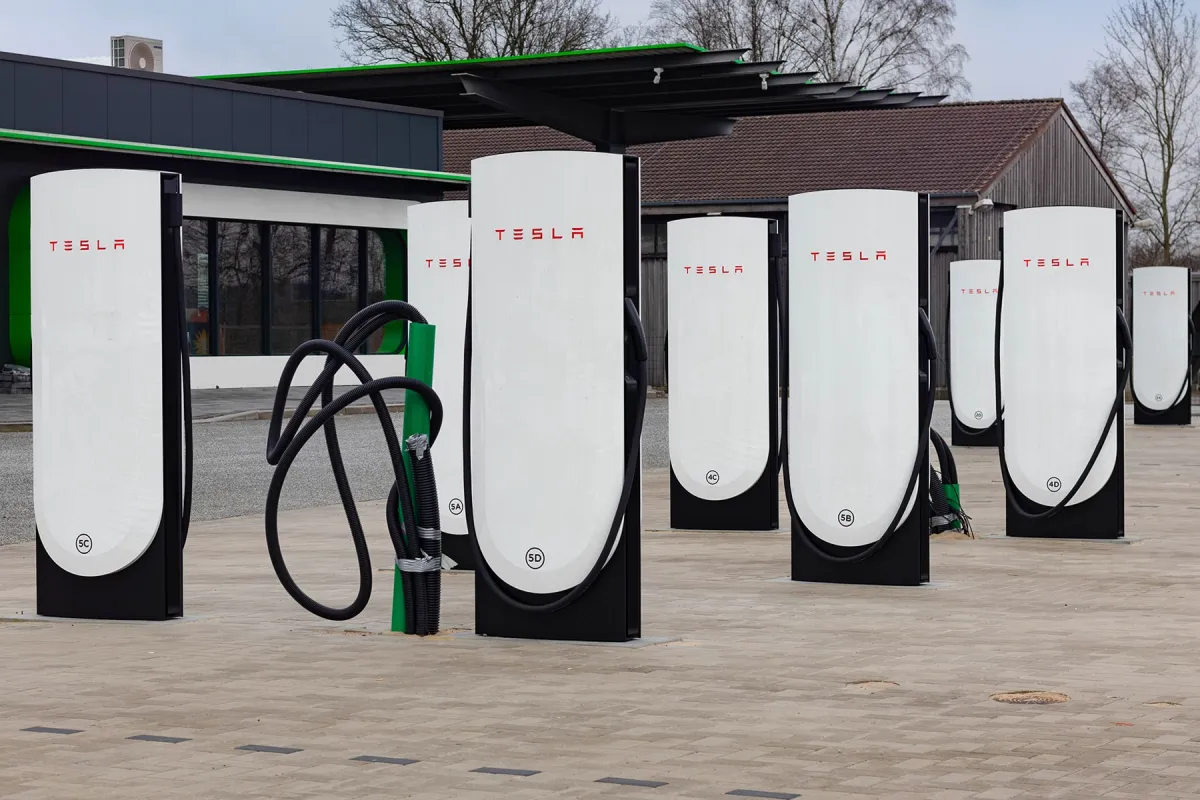
Limit frequent high-speed charging: If you charge your battery in less than two hours regularly, you may shorten its lifespan. Using Tesla Superchargers occasionally for road trips is fine, but daily DC fast charging can accelerate degradation.
-
Avoid charging in extreme cold: The battery pack design means it needs to be preheated before charging at temperatures below 0°C. Tesla handles this automatically, but it's best to schedule charging when possible.
-
Drive reasonably: Consistently driving at maximum acceleration or treating the car like a race car may negatively affect battery longevity.
-
Use scheduled charging: Set your Tesla to finish charging just before you leave. This minimizes time spent at high charge states.
For more detailed guidance on maintaining your Tesla battery in Canadian conditions, read our comprehensive guide on battery life of a used Tesla.
Buying a Used Tesla? Check the Battery First
When shopping for a used Tesla in Canada, battery health is one of the most important factors to consider. At Carnex, every Tesla we sell undergoes comprehensive battery health testing to ensure you know exactly what you're getting.
Key things to ask about:
- Original battery capacity vs current capacity
- Number of Supercharger sessions vs home charging
- Previous ownership in extreme climates
- Any battery-related service history
Learn more about what to look for when buying a used Tesla and which Tesla model years offer the best reliability.
Looking for a used Tesla with verified battery health? Browse our Tesla inventory or get a quote for your current Tesla from Canada's leading used Tesla and EV specialist.
Ready to find your Tesla?
Browse our curated inventory of pre-owned Teslas with transparent pricing.
Browse Inventory